Portugal Travel Guide
An art deco bookstore with the most beautiful gilded staircase. A castle more colorful and crazy than Neuschwanstein. Rocky coasts and white beach sands and surf. Port wine. Grilled suckling pig and prawns bigger than your hand. Colorful tiled homes. The most elegant capital city in Europe. An 18th century Baroque library. Lighthouses at the ends of the Earth. Portugal is full of beautiful surprises. Here's a list of the best things to do in Portugal.
Portugal finds itself at the western edge of Europe, overlooking the Atlantic and the setting sun to the west. For much of European history, this was the last terra firma before the ocean dropped off into nothingness at the ends of the earth (or, as was long believed, a hellfire seething with serpents).
Portugal does have a touch of the windswept, moody air of a precipice, but the country and culture are so beautiful and welcoming that it's hard to imagine what compelled those Portuguese explorers ever to leave home in the first place.
What to See in Portugal
Portugal is geographically compact, making it easy to see a lot in a short(ish) visit. The elegant capital Lisbon, the second city Porto (home of port wine), the university towns of Braga and Coimbra, and the beaches of the Algarve in the south are the main draws. Its small size, though, belies the country's rich culture and its decisive impact on world history.
I wasn't expecting it, but Portugal ended up being one of my favorite destinations. Anywhere. This is a country that has it all: friendly, open people, fantastic food, cities of sublime architecture and quaint country villages, an interesting and accessible history, and dramatic, rocky coasts with astonishingly blue waters, waves made for surfing, and even some white sand beaches (a rarity in southern Europe). It's a place where I made new friends and stumbled on the best meal of my life every night.
What's Portugal Like?
As a Portuguese musician we met during our trip told us only half-jokingly, "We are like a Communist country—everybody here speaks four languages and has a Ph.D., but no job." For the traveler, this means that virtually everyone speaks (excellent) English, and prices are quite reasonable for Western Europe.
Beyond this, and maybe most importantly, I found the Portuguese to be excellent hosts and conversation partners—I was amazed at how quickly we were able to enter into deep and meaningful and very personal conversations with many of the people we met. This was facilitated in part by the generally superb level of English among the Portuguese. But it also seemed that openness, curiosity, and generosity of thought are cultural virtues here.
The Portuguese economy is no longer the formidable global force it was, say, in the 16th century, but the standard of living is high, and the culture imparts a quality to life there that makes it glorious. It's also politically progressive: all drug use, for instance, is decriminalized, education is free, and its nationalized healthcare system consistently ranks at the top in global surveys.
With its long history of imperialism (and colonies in Goa, India, Macau, Mozambique, Brazil, Angola, Guinea-Bissau, and Cape Verde), Portugal has a wide range of multicultural influences, which seem to have imparted a cosmopolitan sensibility to its people. Portugal, for instance, has particularly strong ties with Brazil and Angola, and many of the people we met there had spent time in these countries for business, to study, or to visit family members.
Portugal Travel: Where to Go & What to See
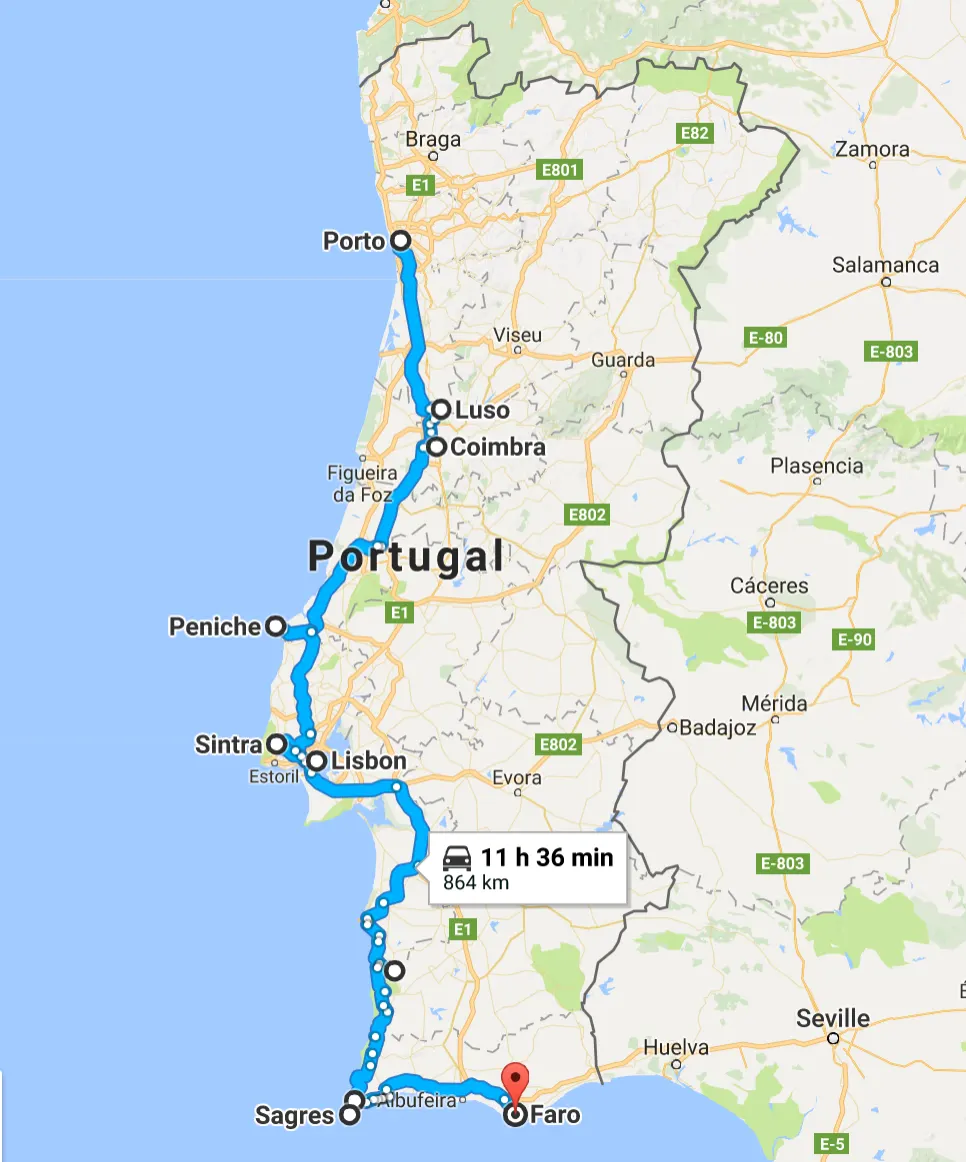
This Portugal travel itinerary takes you to Lisbon and Porto, following the windy Atlantic coast, with cultural stops in Coimbra and Sintra before ending the trip at the beaches of the Algarve in the south.
From Europe, there are lots of cheap flights on Ryanair and other budget airlines to Porto, Lisbon, and Faro. We flew into Porto, and then rented a car and drove south. We returned the car to the Faro airport (the one-way fee was only 100€) and flew back to Germany. Renting a car seems to be the most practical choice for getting around, both in terms of convenience and costs.
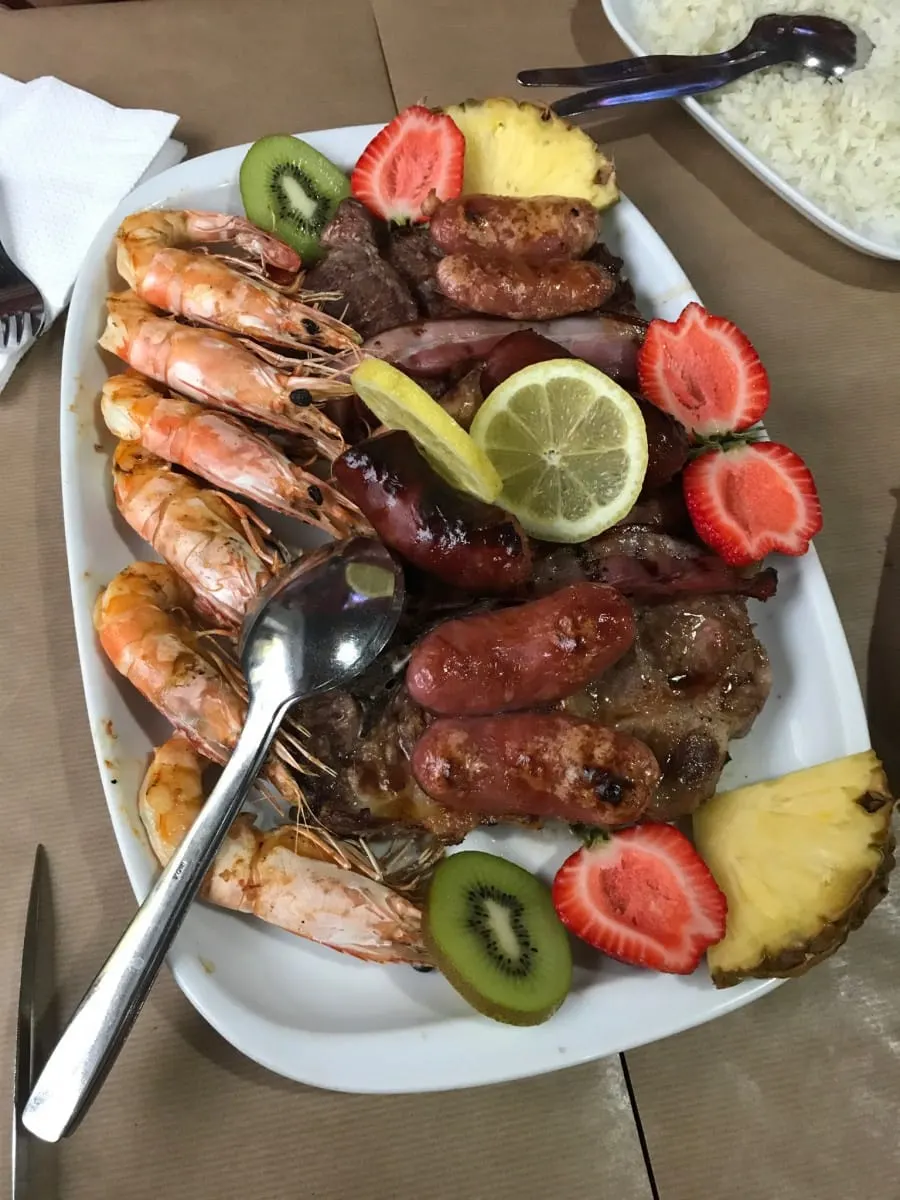
Days seem to start a bit later in Portugal than in the UK or Central Europe, with most businesses opening between 9:00 and 10:00. Lunch is a leisurely and social affair, served from around 12:30 to 14:00. Interestingly, we met two customers in Portugal, and both invited us for lunch before the meeting, which was scheduled for the afternoon. This was a first for us anywhere in the world! Some shops close in the afternoons, but not as customarily as in neighboring Spain.
The Portuguese also don't eat dinner as late as in Spain. Restaurants open around 19:30 and seem to be at their busiest around 21:00—when the Spanish are just starting to go out. Reservations are a must, even in small towns. This is a dining out culture, and good restaurants are always full.
Below is a map of Portugal and an overview of the best destinations and things to do in Portugal:
Travel to Porto
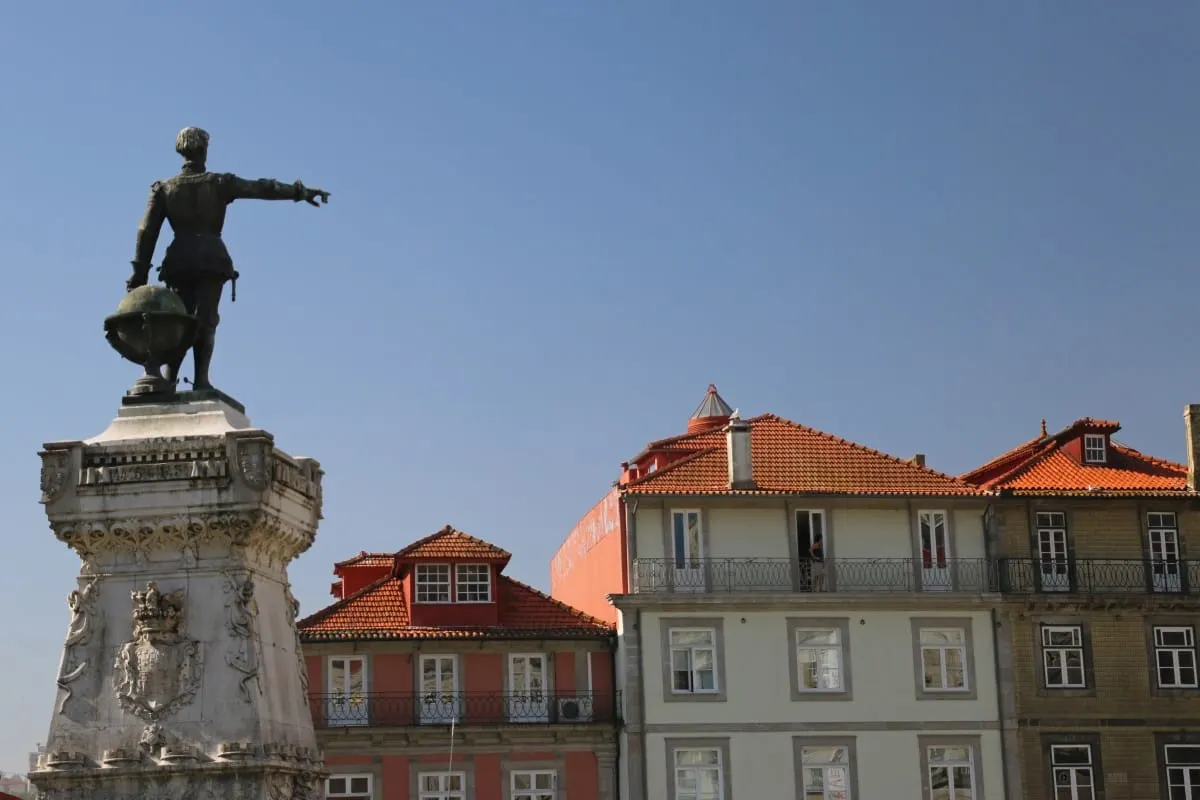
Portugal's second city is an absolute charmer: Porto sits on the banks of the Douro River and rises up from the riverbank (the Ribeira) in a picturesque collection of colorful buildings and gabled rooftops. The Douro Valley further upstream in the countryside is celebrated for its wine production. The local sweet and slightly smoky port wine put Porto on the world map, and there are plenty of opportunities there to sample the city's trademark product.
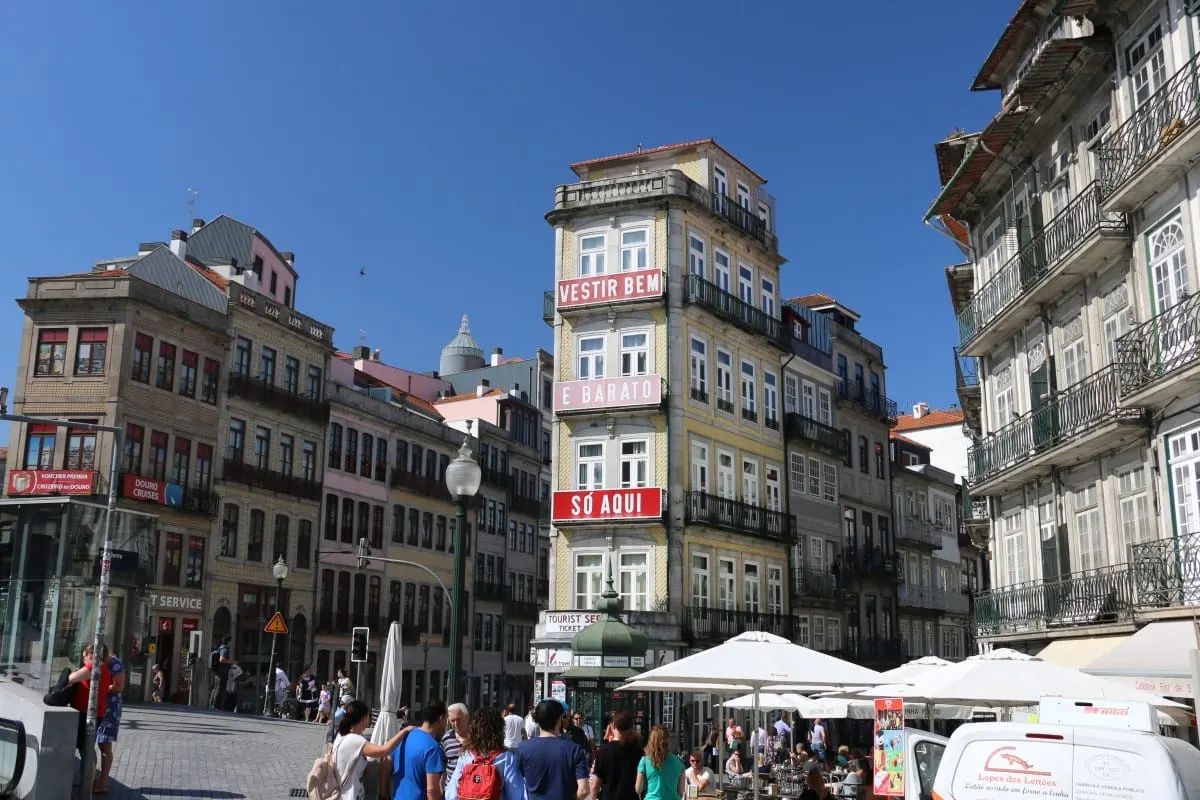
Porto's Old Town is a UNESCO world heritage site, and it is a pleasant hike up from the river below past Baroque churches and colorful, tiled apartment buildings. The interior of the Palácio da Bolsa (Stock Exchange Palace) is said to be breathtaking. There's also a lift that can be taken across the river for great views of the Ribeira.
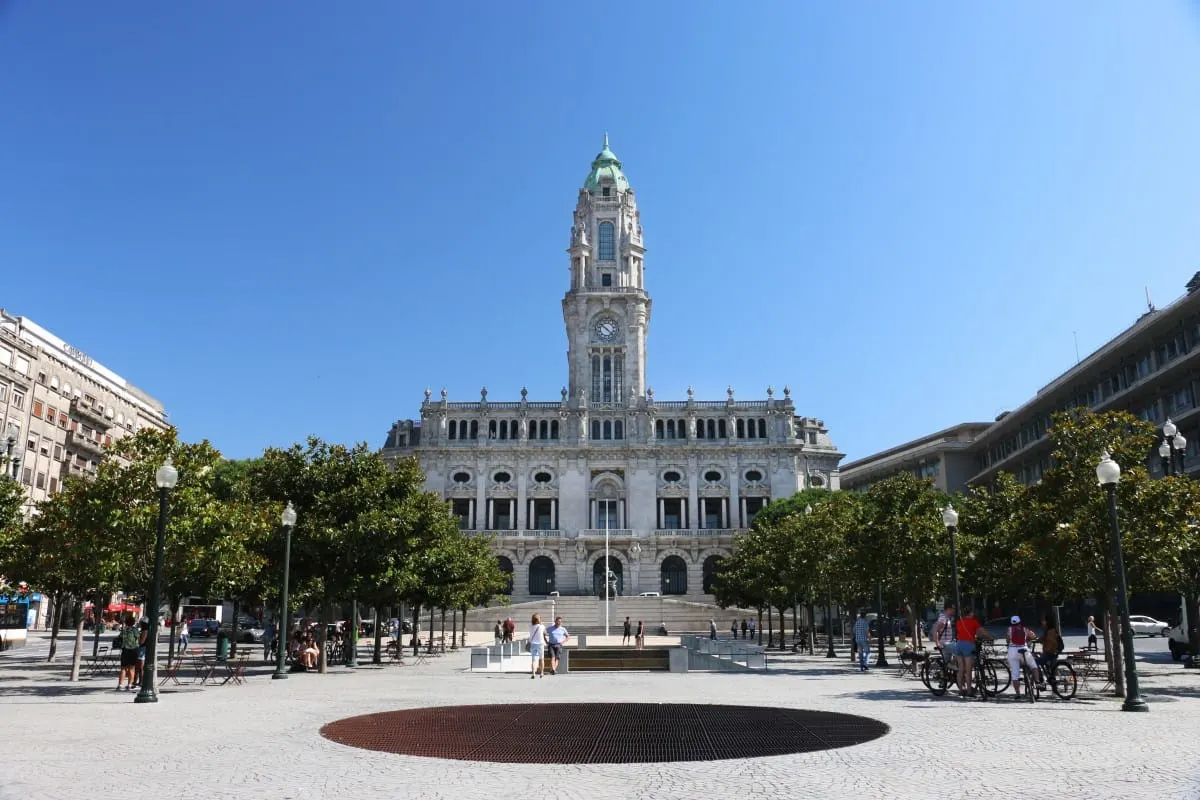
What I loved about Porto was the bookstore. Livraria Lello (Lello Bookstore) must be one of the most beautiful bookstores in the world. It's so beautiful that you have to buy a ticket to get in, but the fee is credited towards a book if you make a purchase. Despite the crowds, it was an absolute highlight for me in Porto. The double staircase leading up to the second floor reminded me of a gilded wooden galleon.
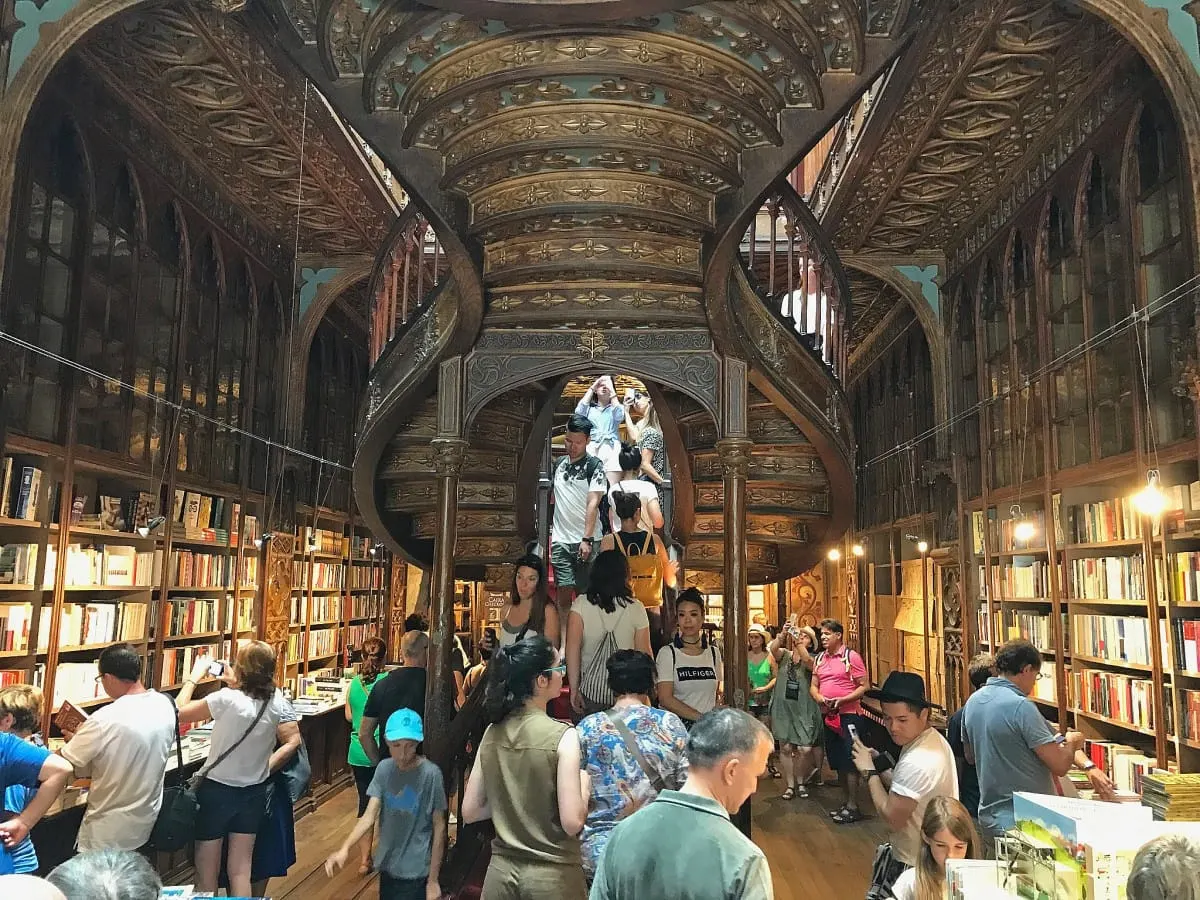
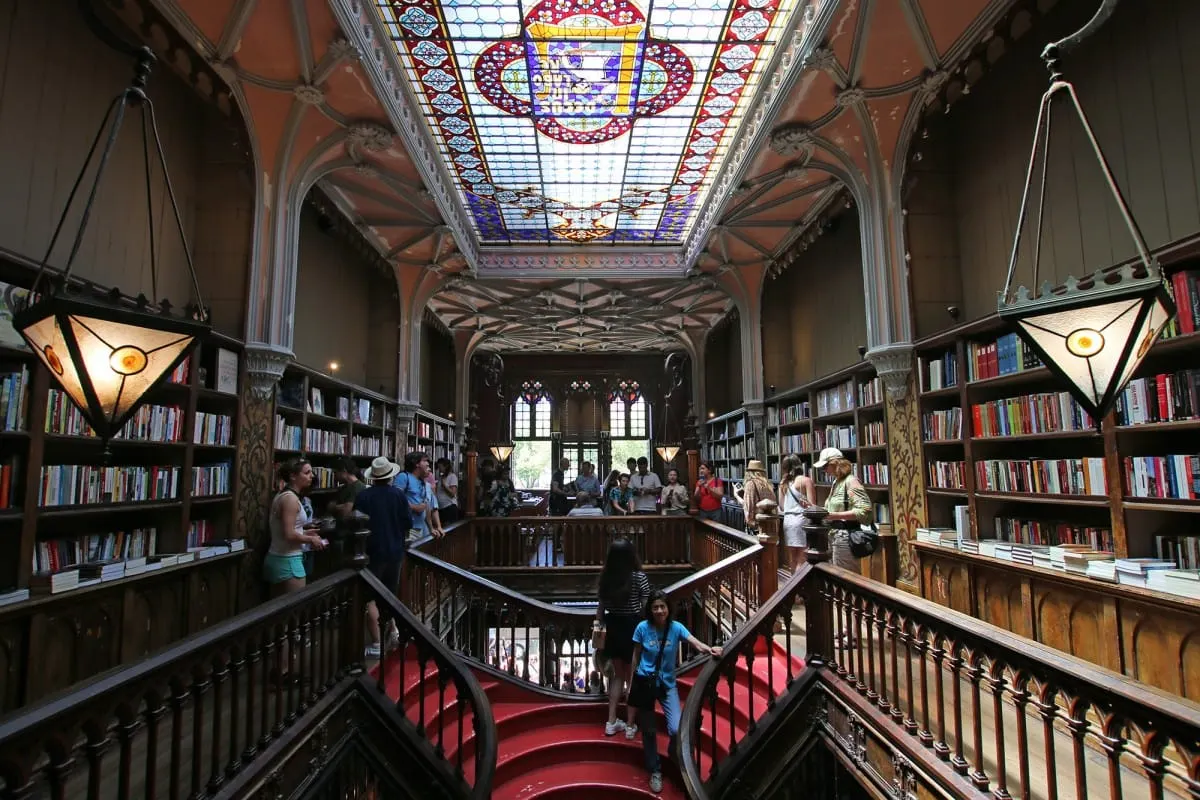
Nearby, the Centro Português de Fotografia has a nice (and free) collection of Portuguese photography, and a large exhibition of historic photographic equipment, housed in a former court and prison.
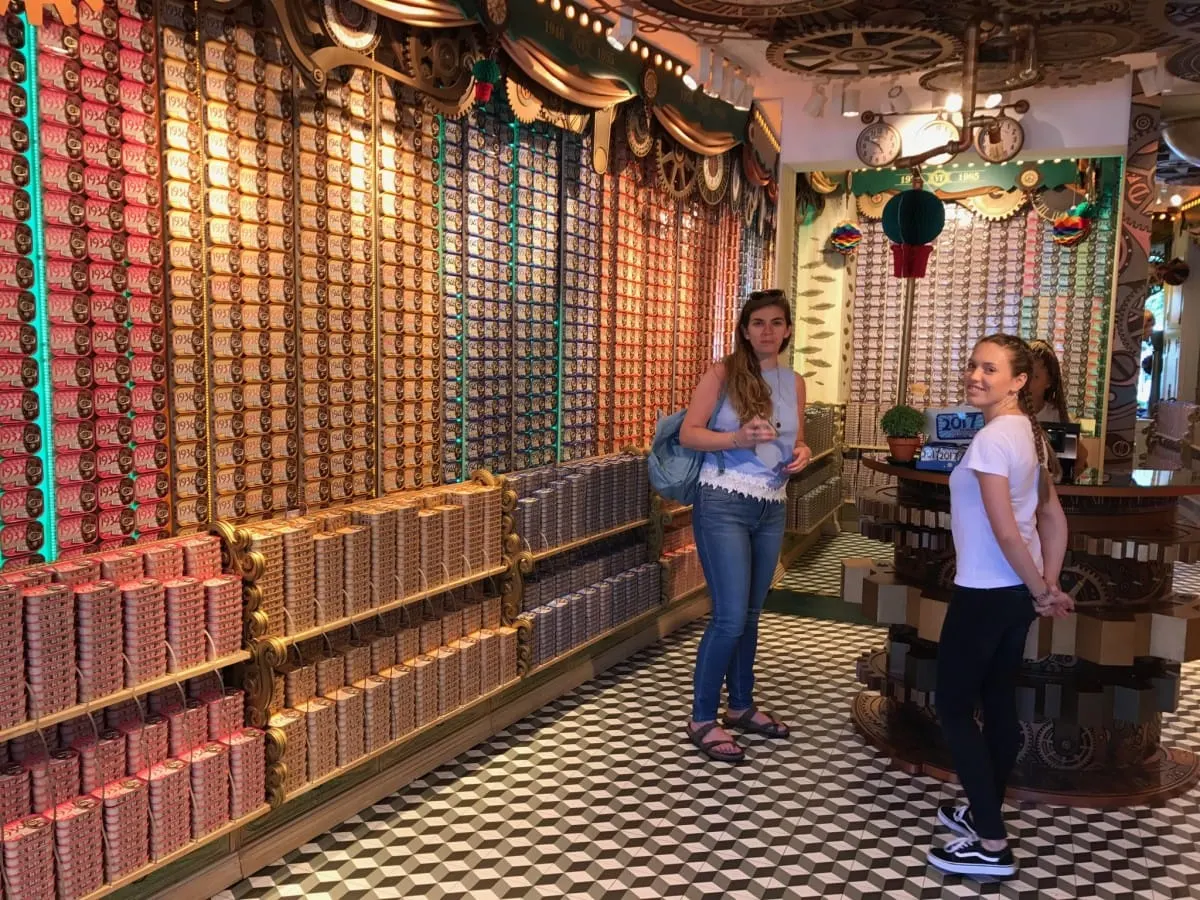
Porto is also known for its sardines—they are so beloved that entire stores exist only to sell tinned sardines.
Beyond Porto: Vila do Conde
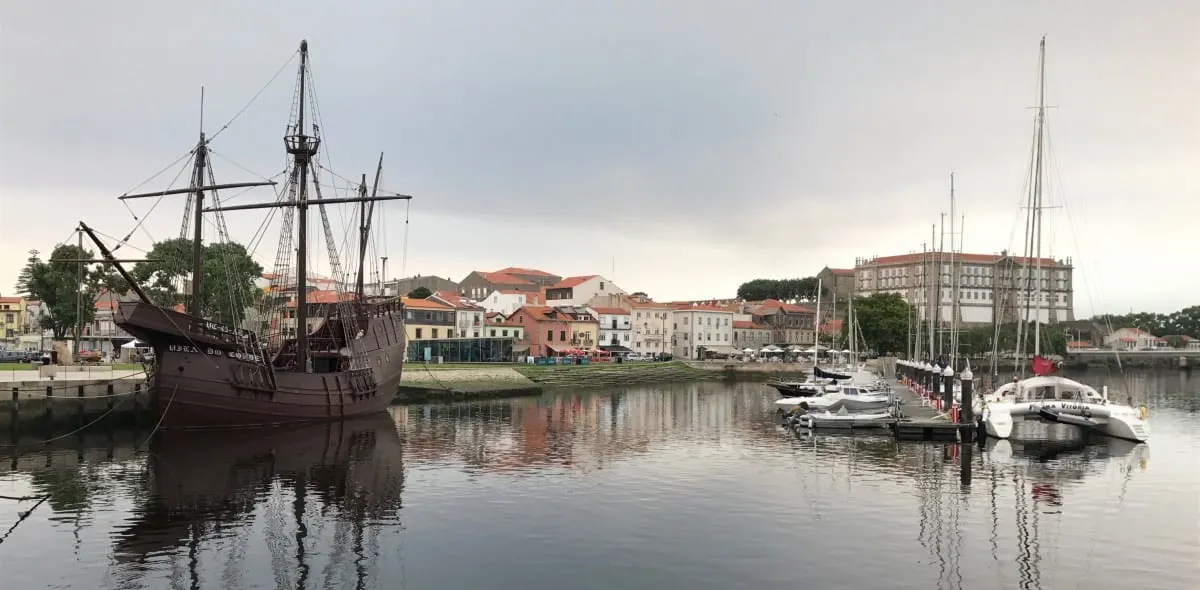
About 20 minutes north of Porto along the coast is Vila do Conde, an off-the-beaten-path secret. It's one of the oldest settlements in northern Portugal, complete with imposing stone gothic cathedrals, a fine harbor and pleasant promenade. Just outside of Vila do Conde, we drove through a string of idyllic farms and country manors. It's a very different vibe from Porto, as there are no tourists here. Just outside of Vila do Conde, we stayed at a beautifully restored 19th century farmhouse.
Travel to Luso
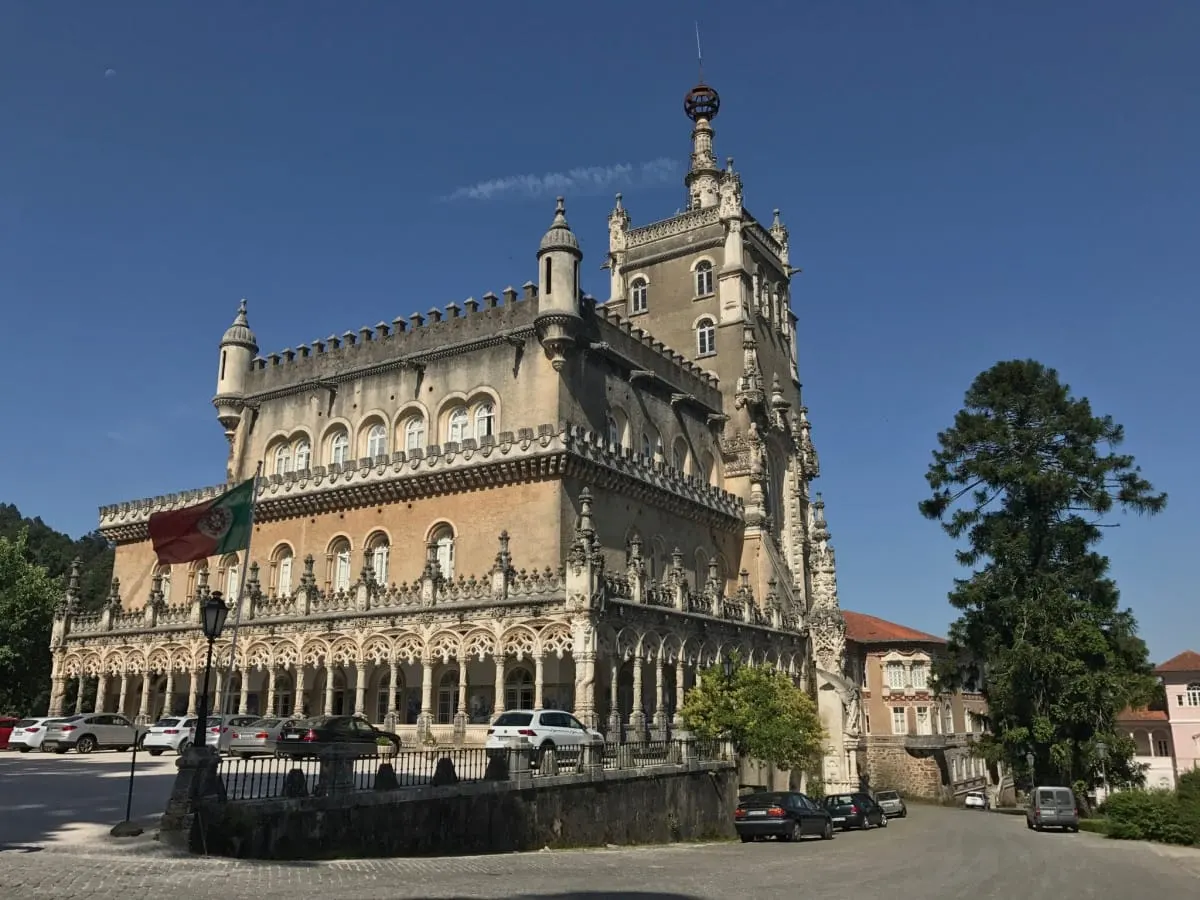
About two hours south of Porto is the small spa town of Luso. Located in the mountains, Luso is a few degrees cooler than the sweltering valleys surrounding it, but the main draw is the Palácio do Buçaco, which offers five-star accommodations in a late 19th century palace at reasonable rates. Our visit would have been unforgettable on account of the opulent setting itself, but we were also there as the smoke blew in from one of the worst wildfires in recent Portuguese history. The palace and its grounds are open to the public during the day.
Luso is a good stopping off point to break up the drive to the south, and it is just about 30 minutes from the medieval university town of Coimbra.
Travel to Coimbra
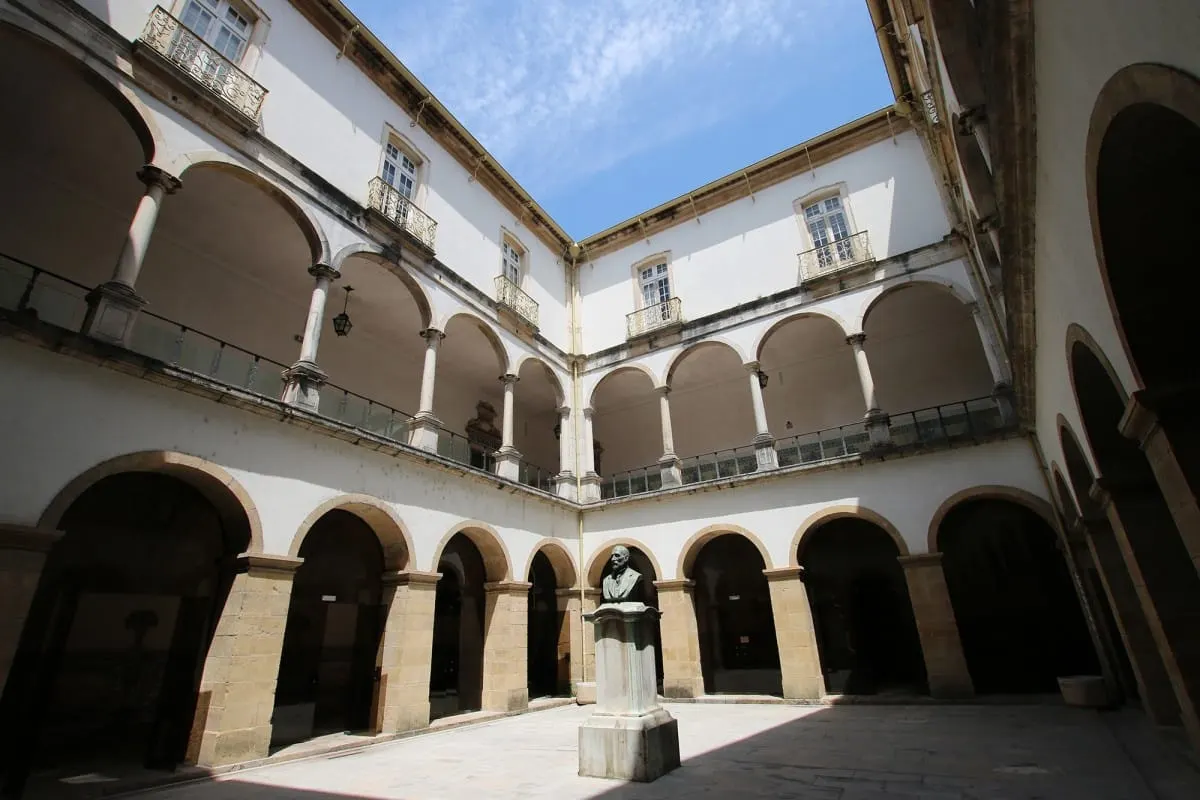
The university town of Coimbra boasts a medieval old town and one of Portugal's oldest and most renowned universities. The university campus is open to visitors, and the biggest attraction here is Biblioteca Joanina, a gilded 18th century library.
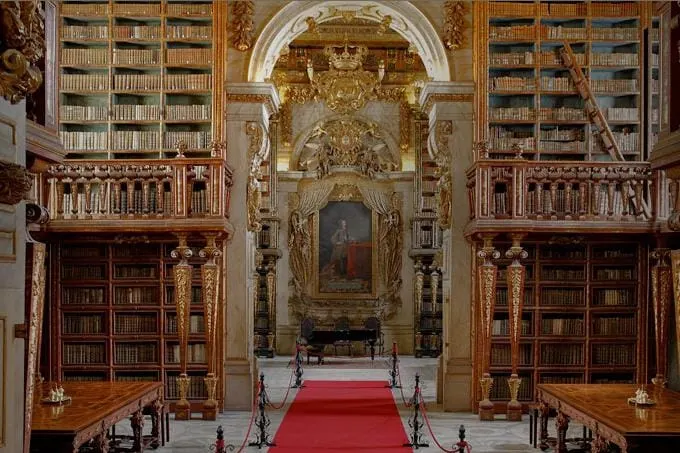
The library is monumental and intimidating, but that's kind of the point: it was built to hold the accumulated knowledge of the world. It's from a time when knowledge was rare and revered, and only the select few were afforded access to it.
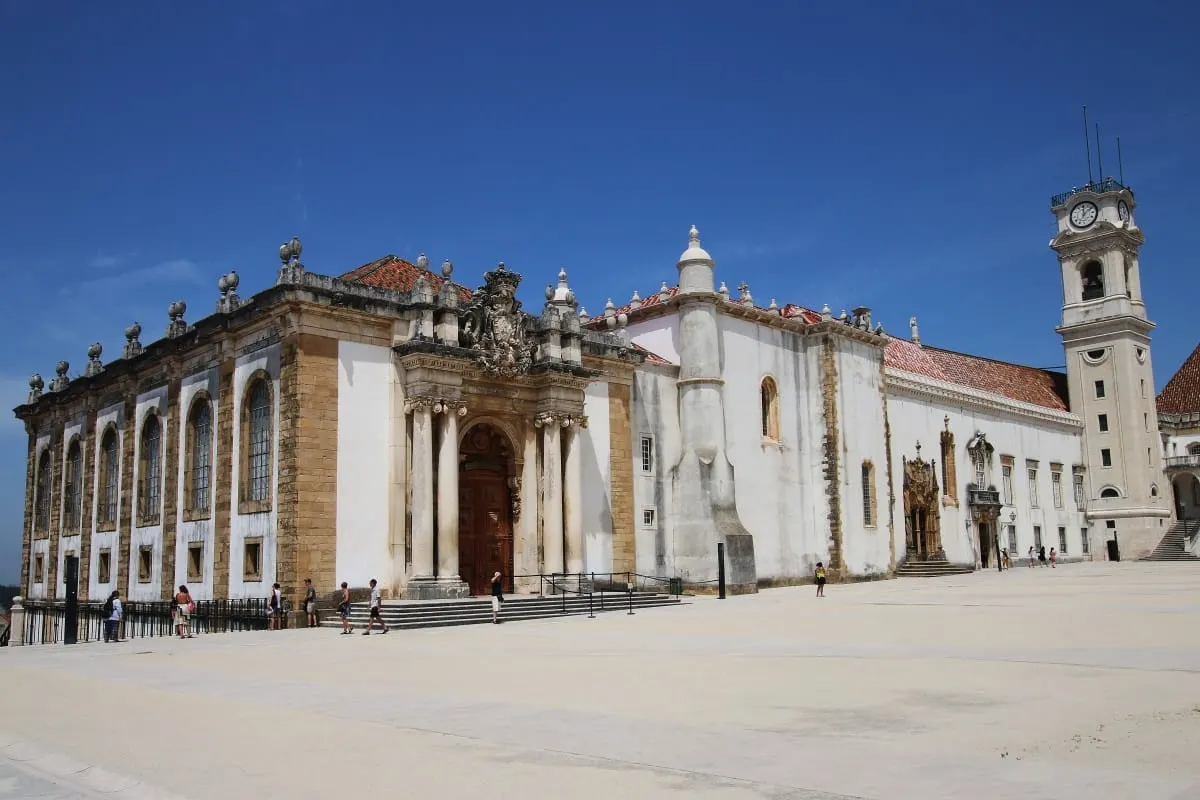
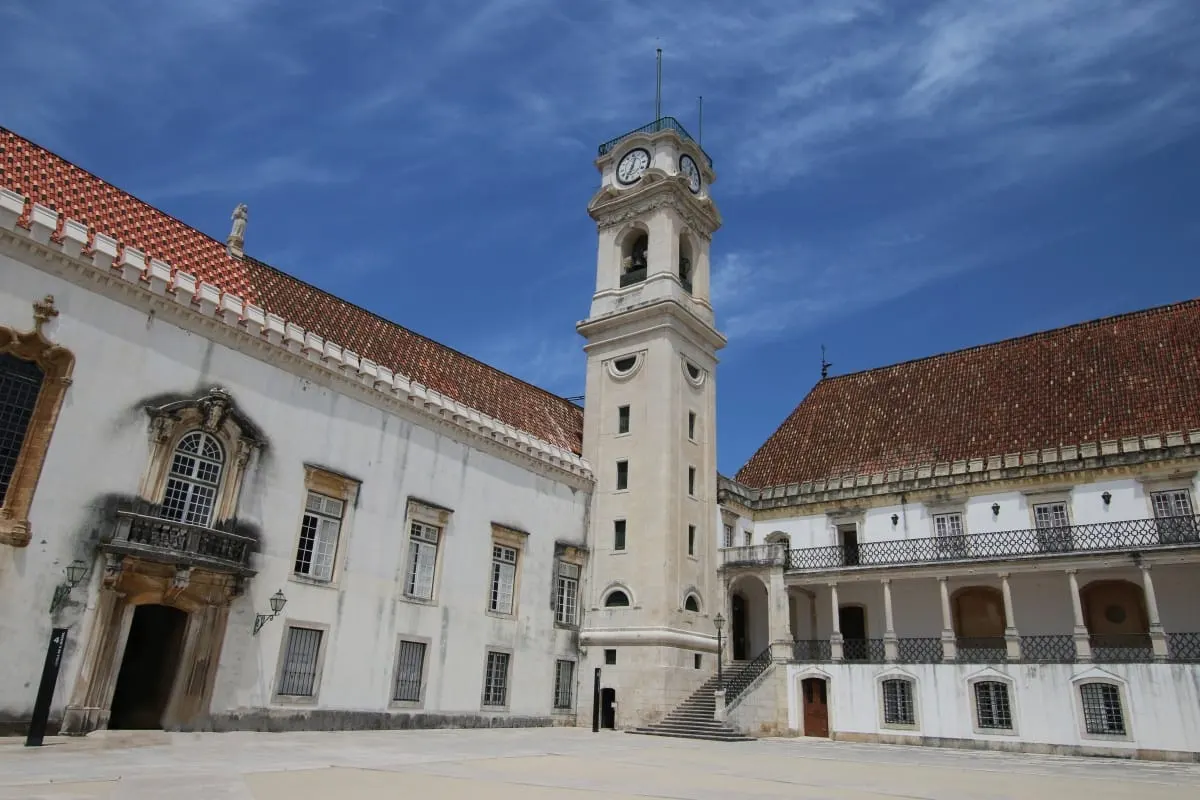
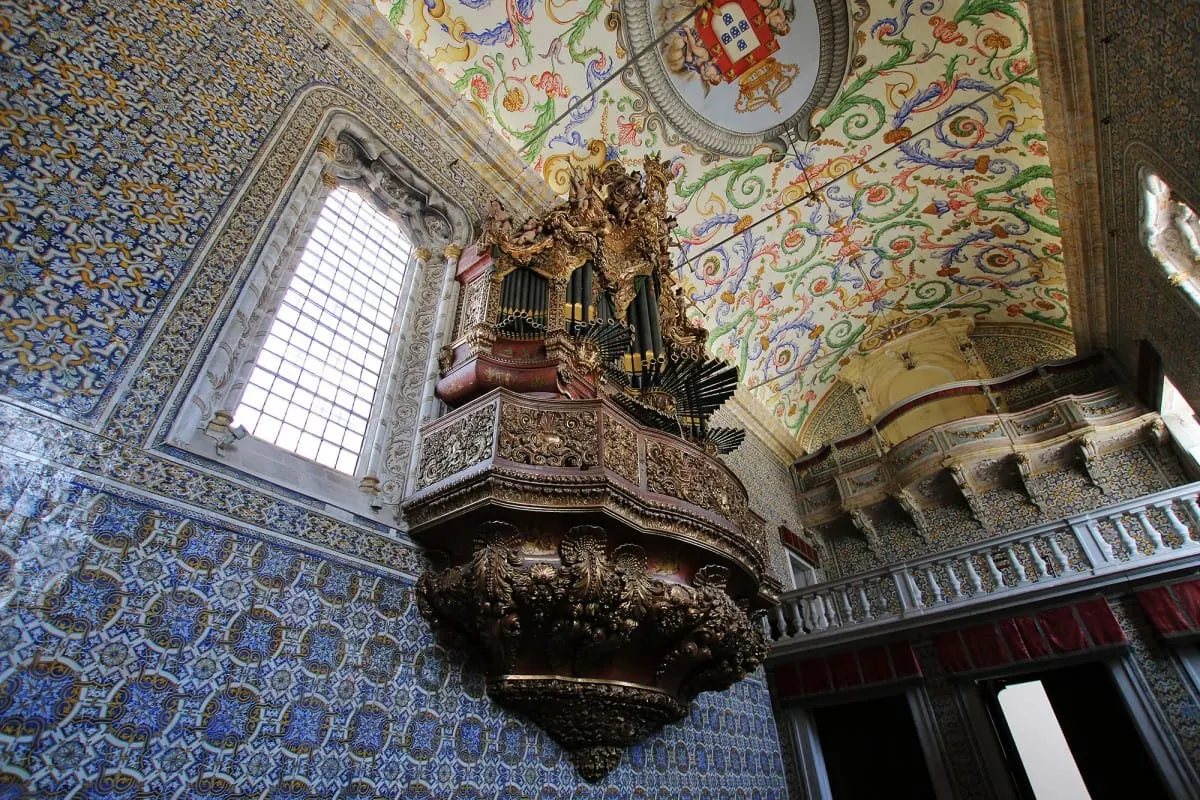
There's plenty more to see on the campus, including a beautifully tiled chapel, lecture halls, and a natural history museum filled with taxidermied animals and mechanical contraptions tinkered with by men of science.
There's also, strangely, an academic prison in the basement of the University of Coimbra, which was reserved for misbehaving members of the academic community. Professors were subject to the university court and effectively held to laws separate from (and presumably not equal to) those of the population at large.
Travel to Peniche
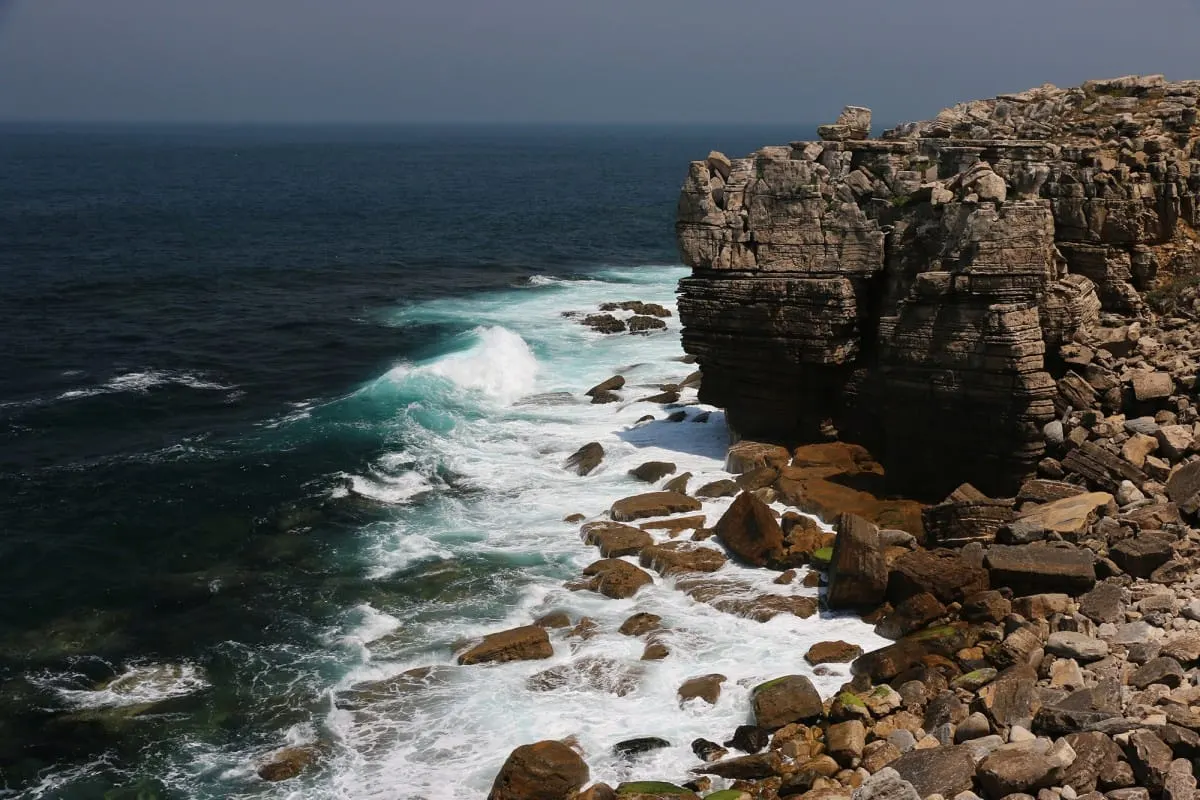
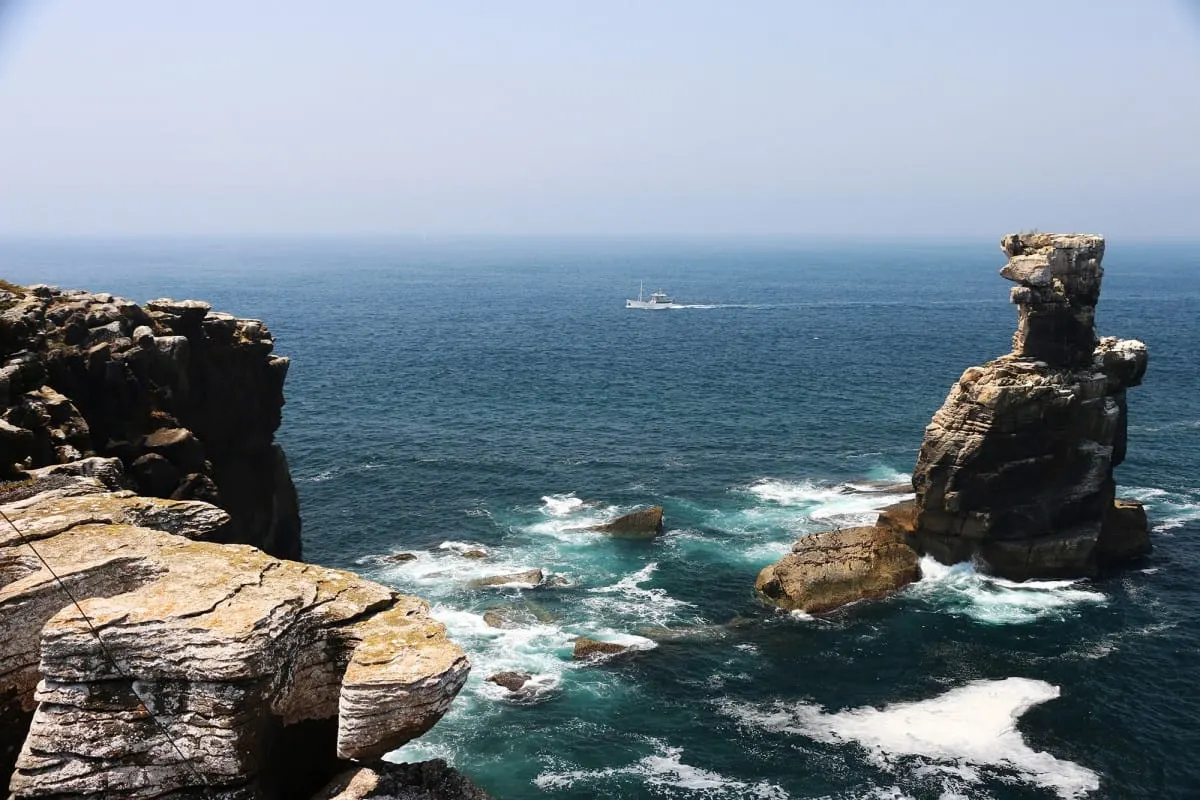
From Coimbra, we headed further south to the surf town of Peniche. It's a laid-back beach town with great waves, lots of sun, and fantastic views. The city itself is a bit more blue-collar than the others we'd seen in Portugal, as it's still a working port town. This gives Peniche a more lived-in, authentic feeling—we passed people on their way to the docks rather than swarms of tourists.
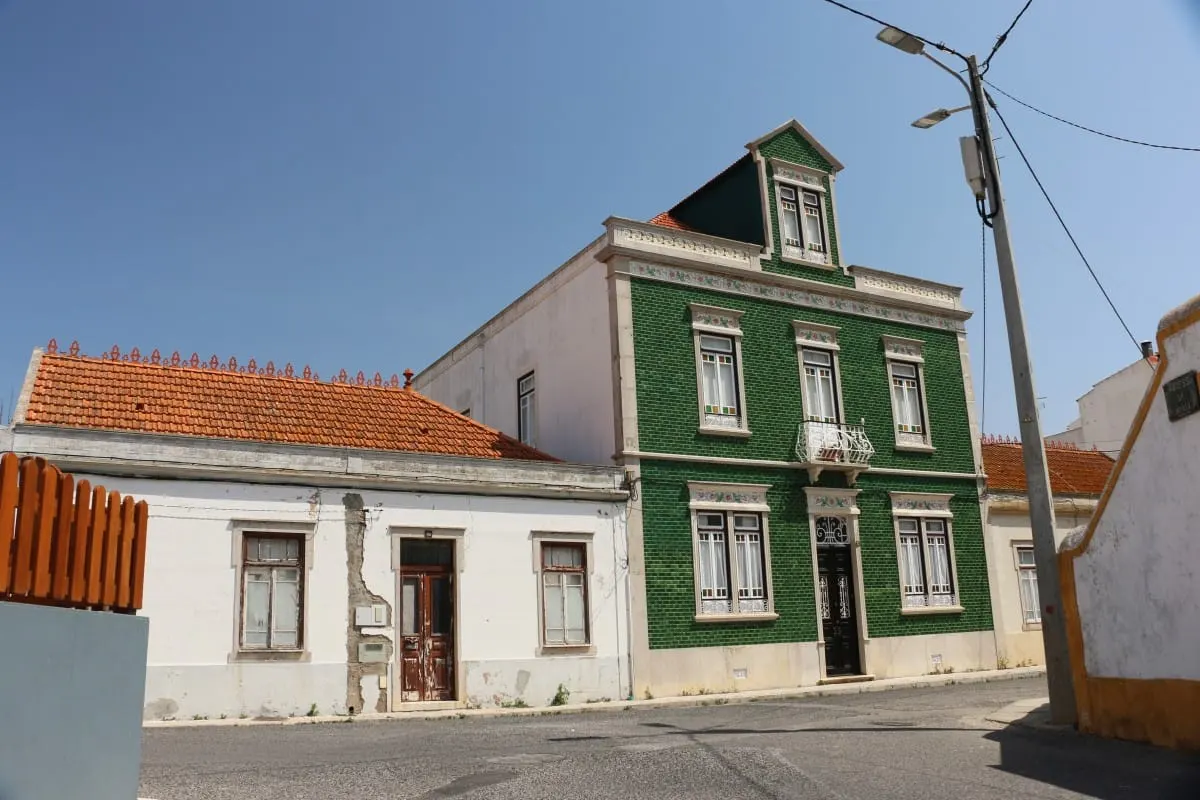
Peniche is also the jumping off point for day trips to the island at nearby Ilhas Berlengas nature reserve, which looks incredibly beautiful. I wish we'd had more time to linger here, soaking up the sun and doing a day of scuba at Berlengas. Next time.
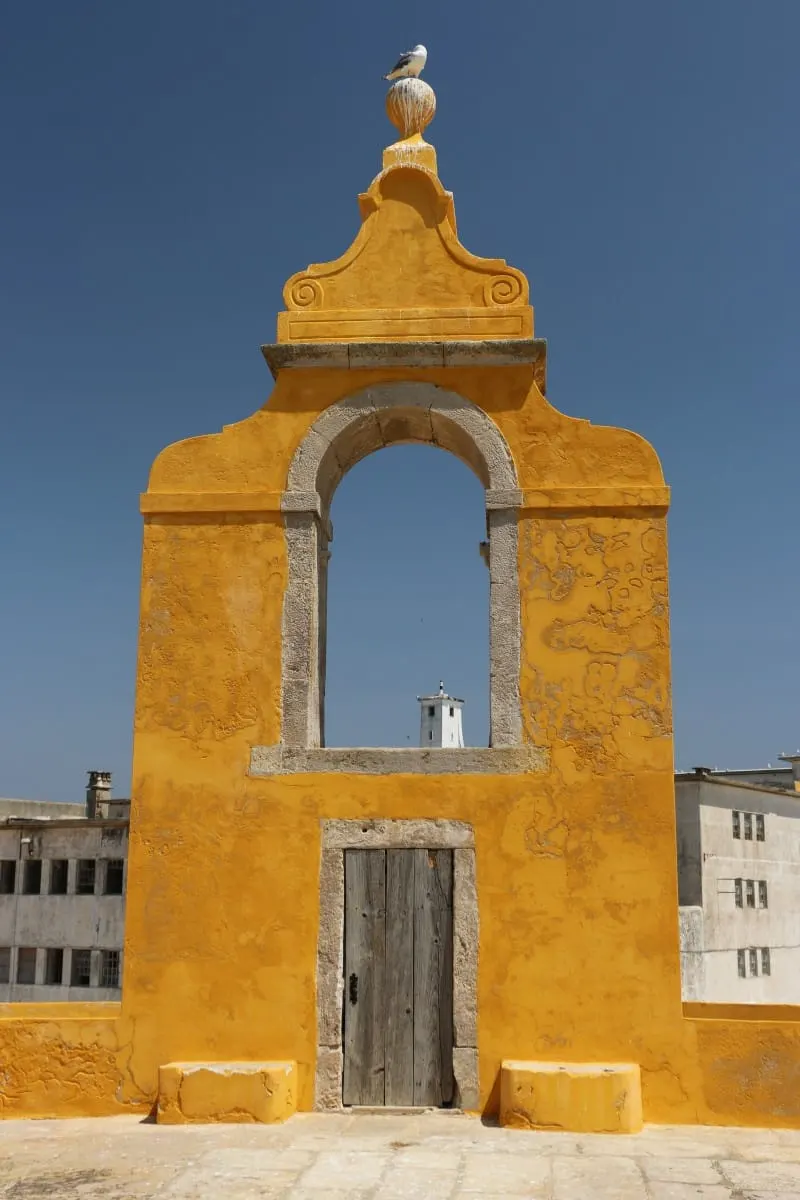
Peniche juts out from the Portuguese coast on a little peninsula into the Atlantic, making it, at least historically, an area of strategic importance for naval defense. Accordingly, the big attraction in downtown Peniche is its walled fortress, which has served as a military fortification, a political prison, and more recently, as housing for refugees.
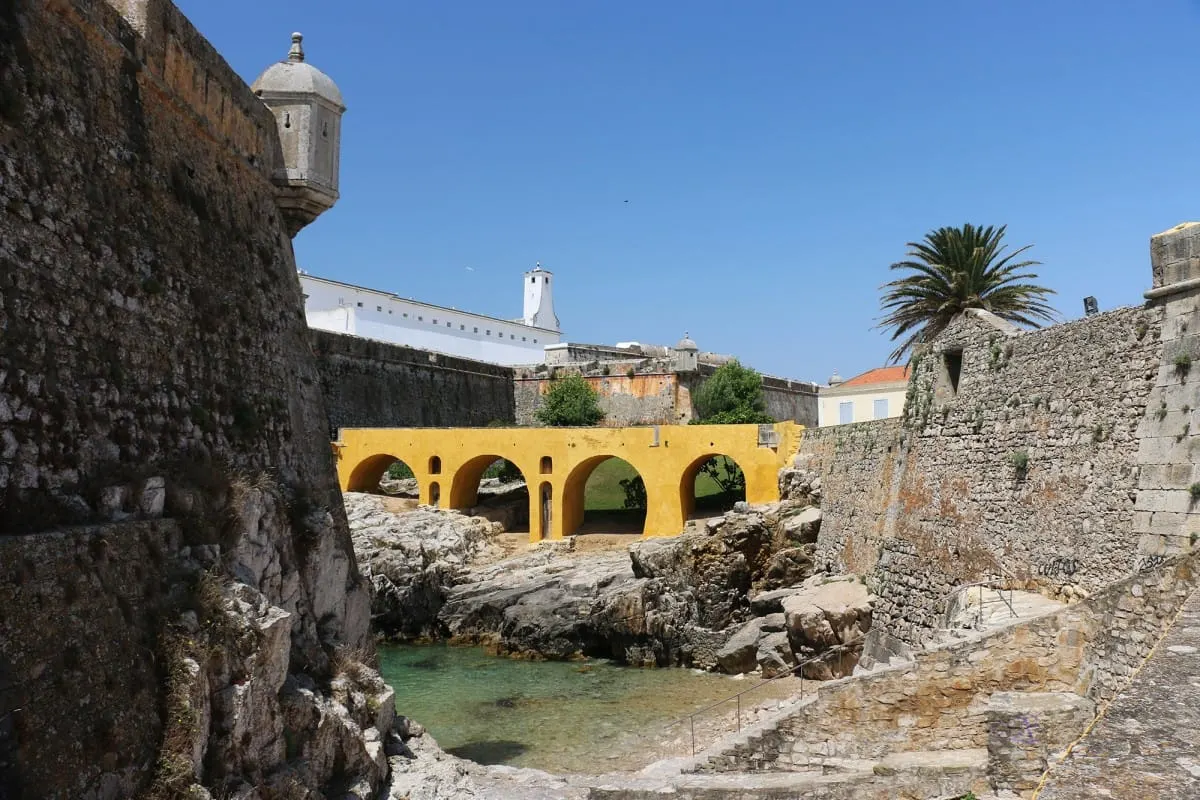
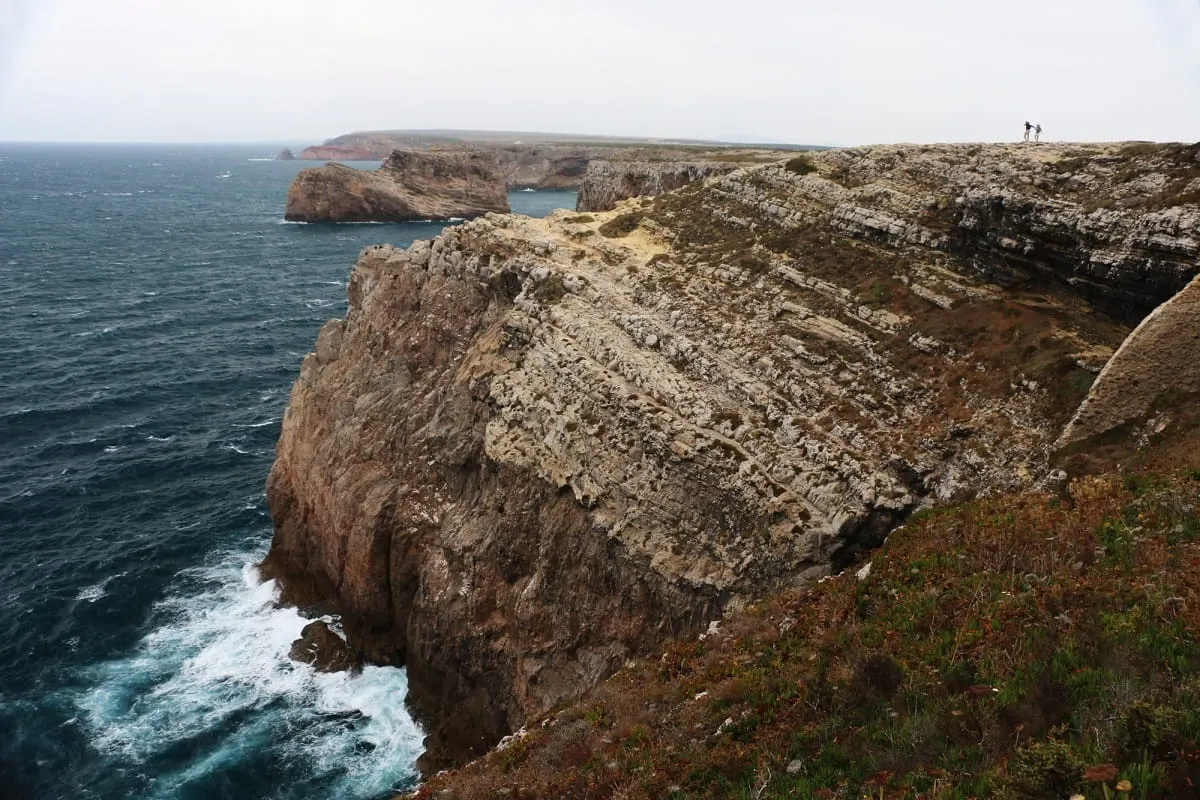
What I loved about Peniche was its rugged coastline. It's an easy bike ride from the downtown to the westernmost point, where the best views of the rocky crags can be taken in.
Travel to Sintra
Next, we headed to Sintra, a small spa town in the green piney mountains outside of Lisbon. There are plenty of day trips to Sintra from Lisbon, but we preferred to have control over the itinerary and drove it ourselves. We drove past the city of Sintra, which looked like a posh retreat for weekenders from Lisbon, and up the winding mountain road to the castle. On the way up, we passed dozens of pastel-colored villas and the impressive Moorish National Palace of Sintra, but the crowning attraction is the Pena Palace at the top of the mountain.
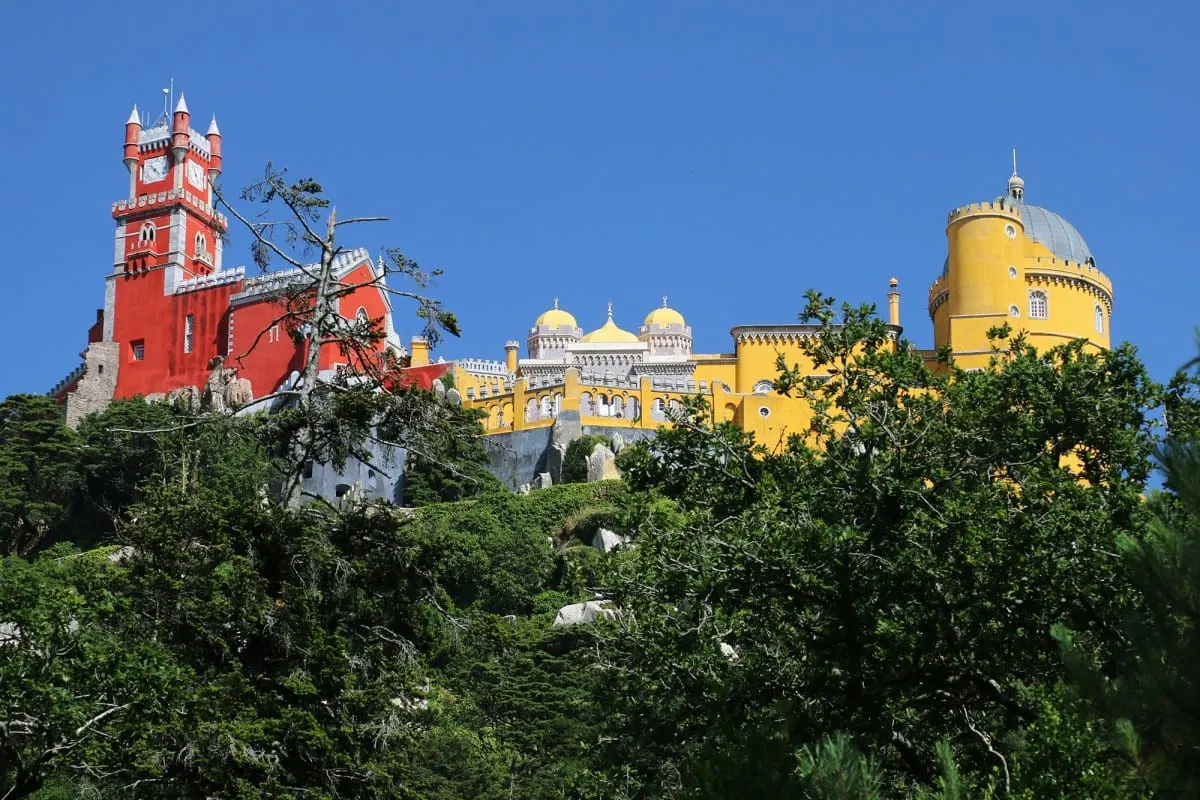
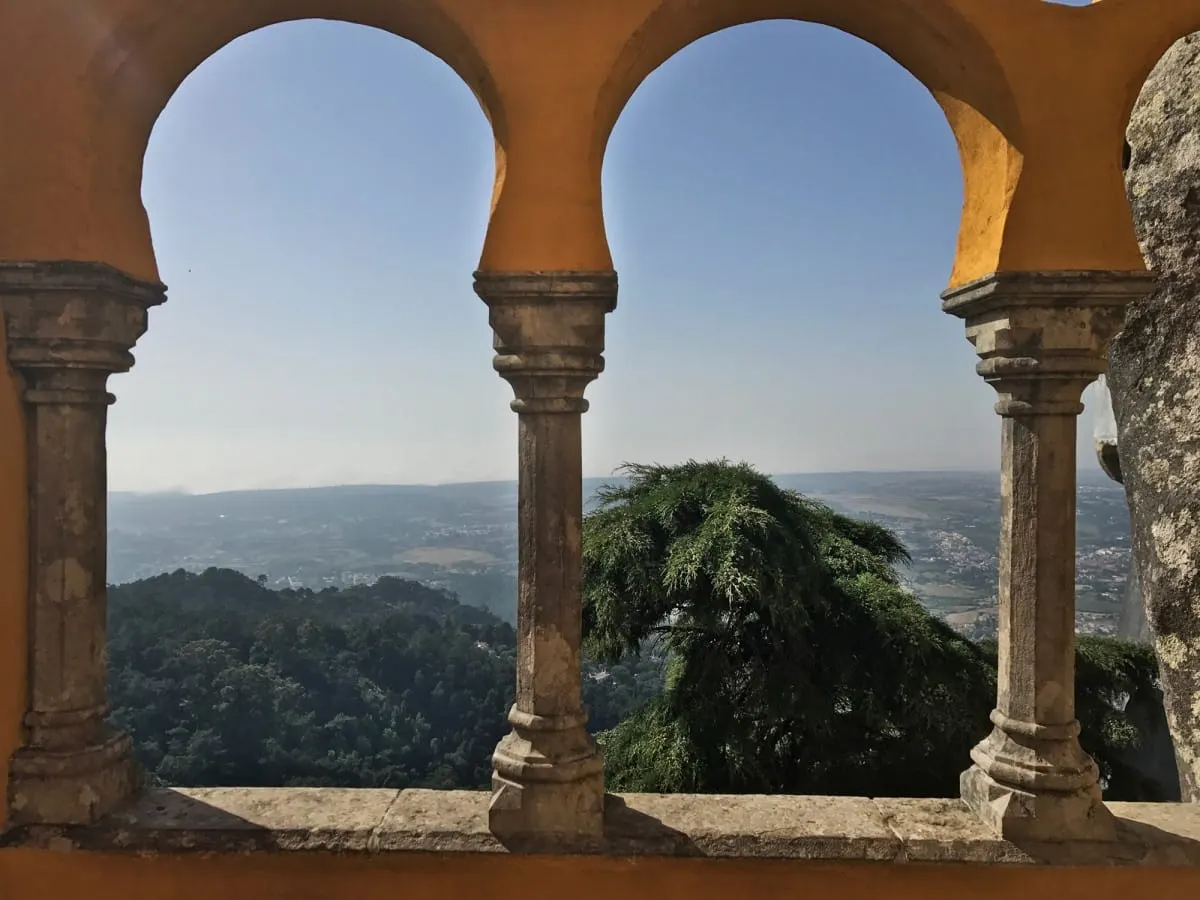
Pena Palace was built by Ferdinand II in the 19th century to rival Neuschwanstein (the "Disney" castle) in Bavaria. Its unusual architecture is a good example of Romantic eclecticism, bringing together a hodgepodge of architectural elements from the Moorish, Classical, Manueline, and Gothic idioms. It mostly works for me, but it does have a kind of contrived, Disneyland vibe to it, maybe due to the lack of architectural coherence. Like modern McMansions of the American suburbs, with elements from practically every architectural movement, the design never quite hangs together. The palace offers sweeping views of the surrounding mountains and greater Lisbon. It's worth at least an afternoon, if not a whole day's visit, as there are plenty of parks, ruins, and other castles to visit.
Cabo da Roca, the westernmost point in mainland Europe, is not far from Sintra. A stop at Cabo da Roca around sunset, with its picturesque lighthouse in the background, is a nice ending for a day trip to Sintra.
Travel to Lisbon
Lisbon must be the most elegant capital city in Europe. We stayed at an Airbnb in the Old Town with lovely hosts, and spent two days wandering around the city, peeking into churches and cathedrals, visiting the local [markets](http://Mercado Da Ribeira Nova), striking up conversations with street artists, eating ice cream, and window shopping.
In the Old Town, we visited the São Jorge Castle, a Moorish fortress that presides over the city, and walked along the sea to the Praça do Comércio, an impressive riverfront square with an archway leading to the main shopping street. As with any capital city, there's a lot to do, and this time, we opted for a more laid-back, impressionistic visit.
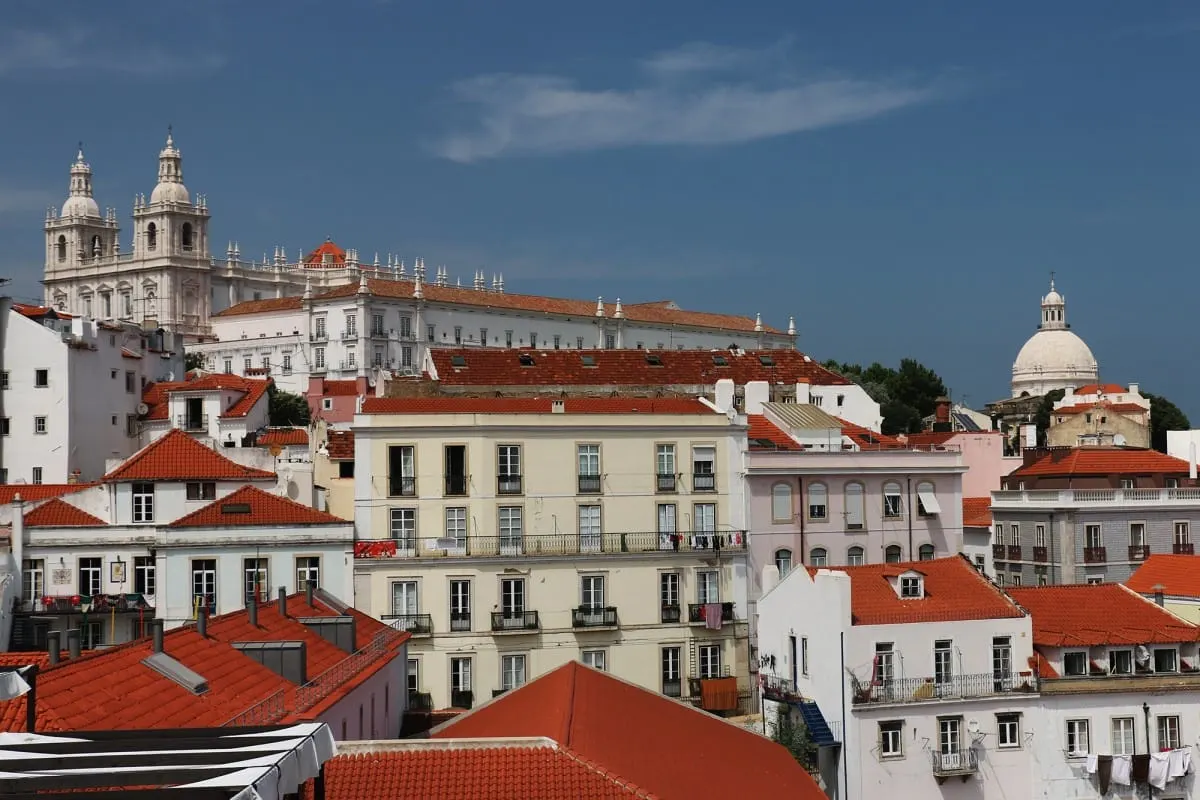
Further afield from downtown Lisbon, we visited the Calouste Gulbenkian Museum, which is the museum of the private art collection of the late 19th century Armenian-Portuguese oil baron. The Gulbenkian Foundation runs the adjoining modern art museum, which contains an impressive contemporary collection. I just had to visit this museum—I'm of Armenian heritage myself, and Gulbenkian's name is famous among our small community as a patron of the arts and Armenian identity.
Traveling the Southern Portuguese Atlantic Coast: Sines to Sagres
From Lisbon, we drove south along a long stretch of the Atlantic coast that begins in Sines and ends at the southern tip of Sagres. Much of this southern Atlantic coast is under protection of the Parque Natural do Sudoeste Alentejano e Costa Vicentina. This means that development is limited, and there are no monstrous resorts here cluttering up the view.
This is the kind of place where you pull off the road and find empty beaches, and most of the beaches are sandy rather than rocky, which is unusual for southern Europe. It's a place of friendly farmhouse accommodations, fabulous dinners, and quiet evenings. It's the part of Portugal where everything slows down.
The coasts range from primordial volcanic rock to gently weathered peaks and prairies of sea grass. Each turn of the road brings a new variety of beach.
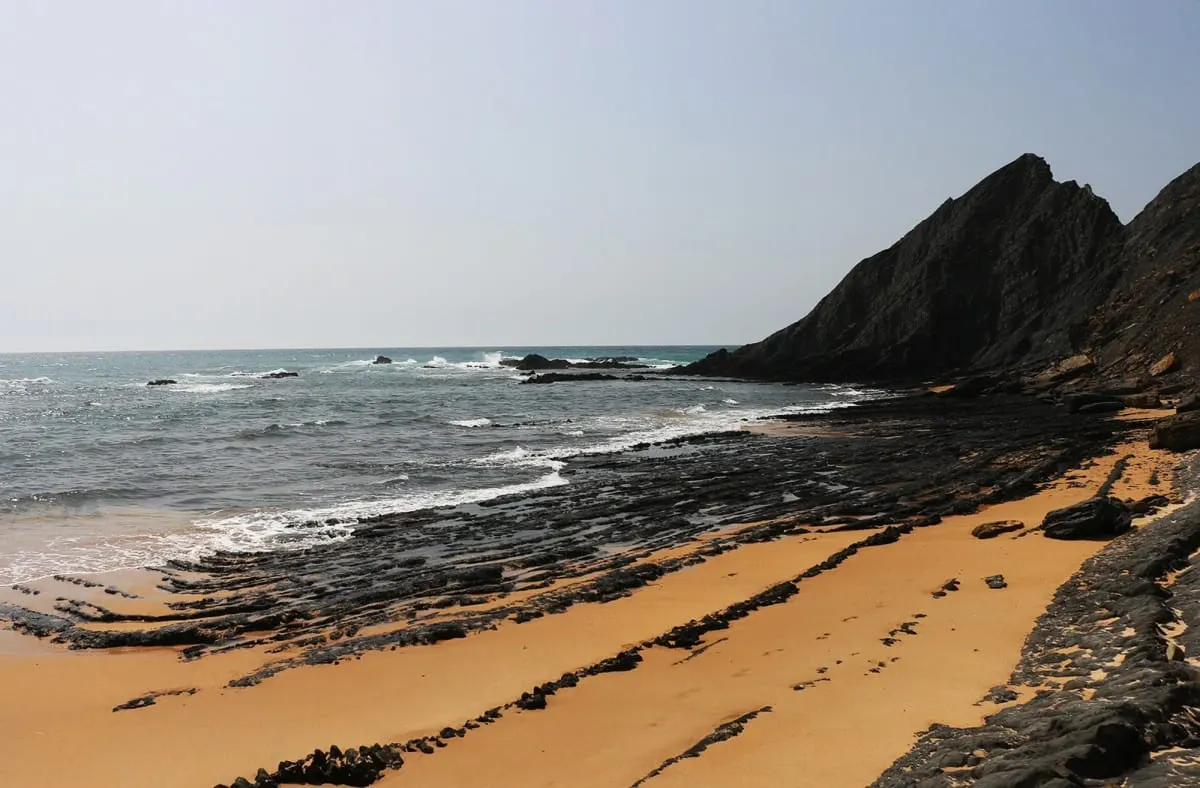
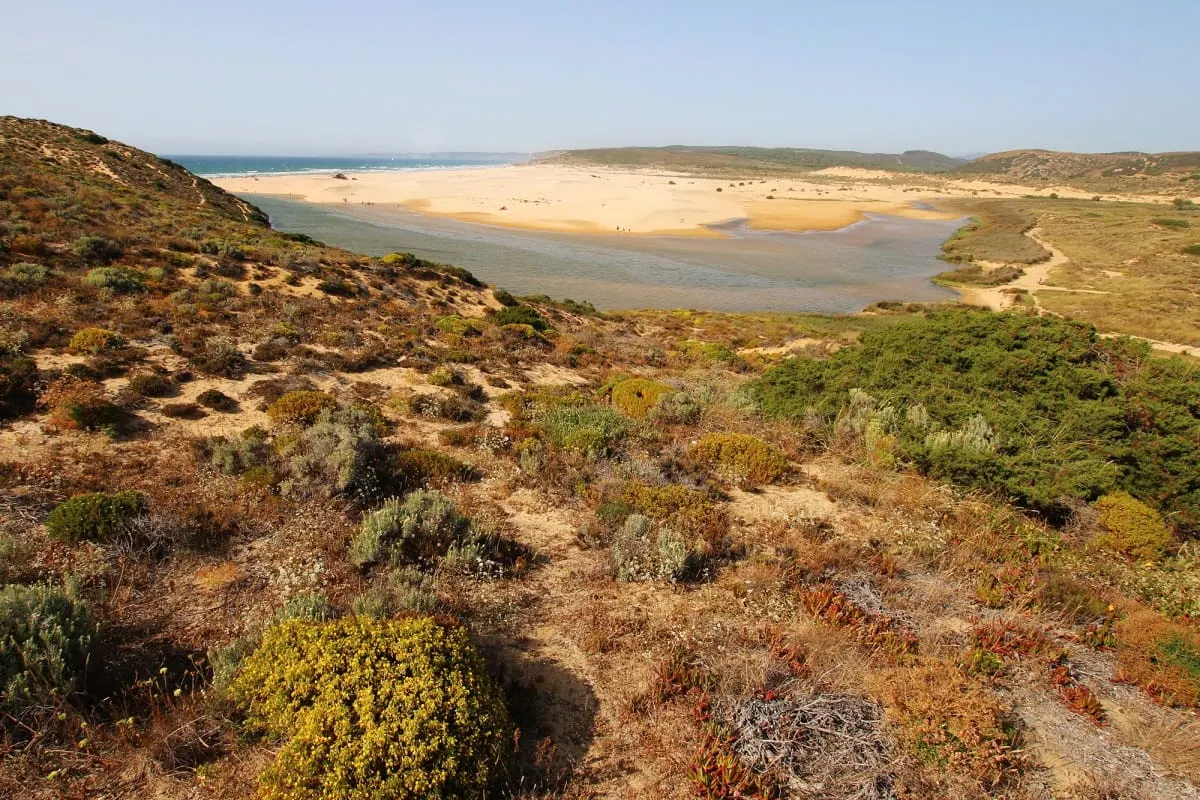
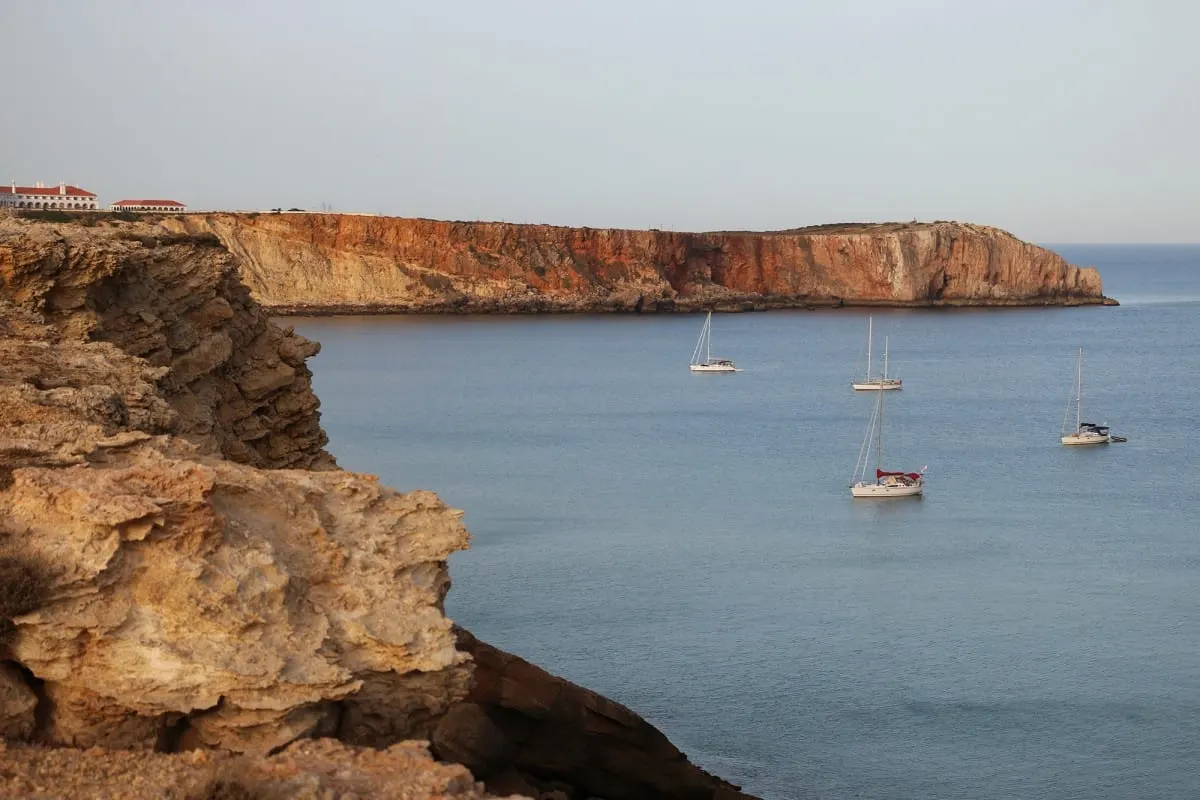
I really loved Sagres, the dramatic, rocky point at the southern tip, and the quiet village of Vila do Bispo, which is still untouched by mass tourism.
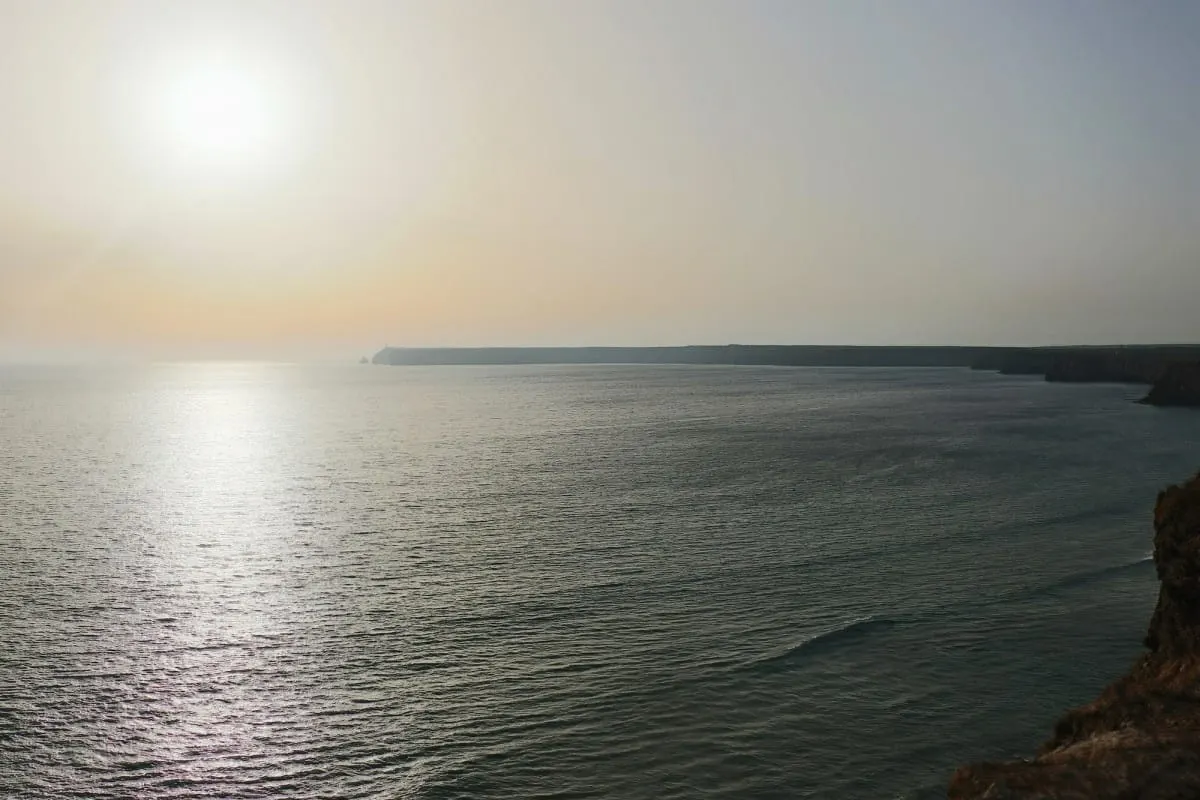
The southern Portuguese coast of the Algarve (from Lagos to Faro) is too built up for my liking—too many big resorts and malls. I prefer the quiet of the Atlantic coast, and the hopeful, windswept optimism that comes from looking out towards the horizon and watching the waves course steadily against the rocks.